Burst or Frozen Pipe in a NC Cold Snap? First Steps Before Cleanup
Quick Answer: When a pipe bursts or freezes during a North Carolina cold snap, shut off the main water valve first, before anything else. Next, open the faucets to drain the lines and relieve pressure, turn off the water heater if the system has been emptied, and keep electricity away from standing water. Only then start cleanup. If a pipe is frozen but not yet leaking, thaw it slowly with gentle warmth and never an open flame, and call a plumber if you cannot find the frozen section or if any pipe is split.
Why Pipes Freeze and Split in Lake Norman Homes
Water expands as it turns to ice, and a closed pipe has nowhere to put that extra volume. The ice itself often does not cause the split. Pressure builds between the ice blockage and a closed faucet, and the pipe gives way at its weakest point. That is why a pipe can look fine while frozen and then burst only after it starts to thaw and water begins moving again.
Our area does not see deep freezes often, and that is exactly the problem. Homes around Lake Norman, Davidson, and Huntersville were built with the assumption that a hard freeze is rare, so plenty of supply lines run through places that never get insulated. Crawl spaces with open vents, exterior wall cavities, garages, pipes under a kitchen sink on an outside wall, and hose bibs on the lake side of the house are the usual trouble spots. Lake homes add another wrinkle. Many have piping running to docks, boat lifts, outdoor kitchens, or detached garages, and those long exposed runs lose heat quickly when the temperature drops overnight.
When temperatures sit in the low twenties or below for several hours, unprotected pipes on an exterior wall or in an unheated space are at real risk. A single hard night after weeks of mild weather catches many homeowners off guard because nothing has been prepared yet.
Step One: Shut Off the Main Water Valve
If you can see or hear water escaping, go straight to your main shutoff. This is the single most important move, and it is the one most homeowners cannot do quickly because they have never looked for the valve.
In most Mooresville area homes the main shutoff is found where the water line enters the house. Common locations include the garage wall, a utility room, the basement or crawl space, or beside the water heater. Some homes also have a meter box near the street with a valve of its own. A ball valve has a lever handle that turns a quarter turn so the handle sits across the pipe. A gate valve has a round wheel that you turn clockwise until it stops. Turn it fully closed.
Tip: Find your main shutoff today, while the weather is mild. Tie a bright tag to it, make sure every adult in the house can reach it, and test that the handle actually turns. A valve that has not moved in ten years can seize, and you do not want to learn that with water running.
If the valve is stuck or the leak is upstream of it, that is a true emergency. Do not force a valve with a pipe wrench until it snaps. Call a plumber right away and, if you can reach it safely, close the meter valve at the street while you wait.
Step Two: Drain the System and Take the Pressure Off
Once the main valve is closed, open the faucets. Start with the lowest faucet in the house, such as an outdoor spigot or a basement or garage sink, and the highest one, usually an upstairs bathroom. Opening both lets water drain by gravity and lets air into the lines, which relieves pressure on any pipe that is cracked but not yet leaking much. Flush each toilet once to empty the tanks.
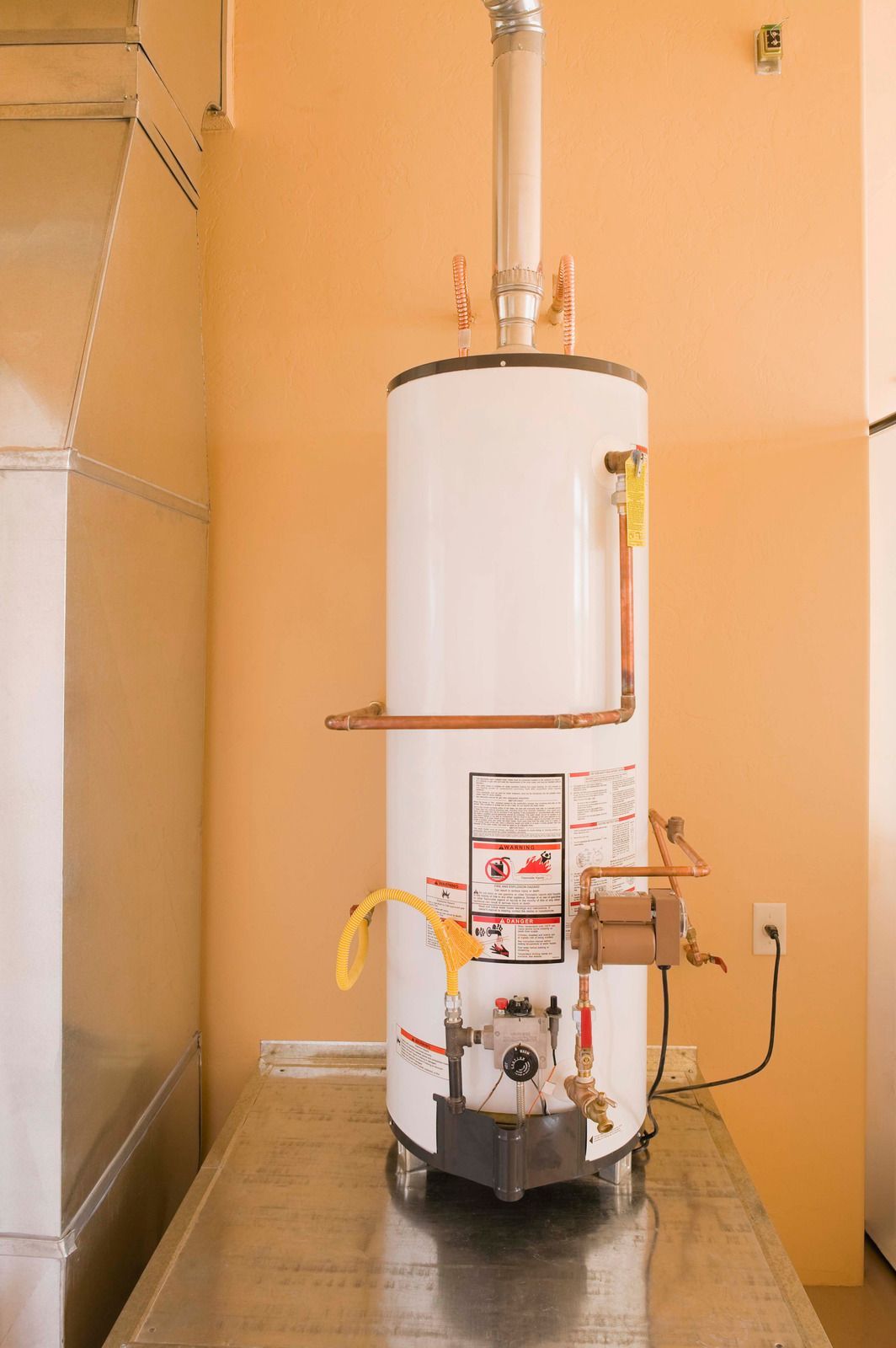
Then turn off the water heater. This is a step people skip, and it matters. If the lines are drained and the water heater stays on, an electric element can run dry and burn out, and a gas unit can overheat with nothing moving through it. For an electric heater, switch off its breaker. For a gas heater, turn the control knob to the pilot or off position. Leave it off until a plumber has confirmed the system is intact.
Step Three: Keep Electricity and Water Apart
Water spreading across a floor can reach outlets, extension cords, appliances, and sometimes the panel itself. Before you wade into a wet room, look at what the water is touching. If it is near outlets, a washing machine, a freezer, or anything plugged in, shut off power to that area at the breaker panel, but only if you can reach the panel without standing in water.
If water is coming through a ceiling, stay out from under it. A bulging or sagging ceiling is holding a lot of water and can drop without warning. Poking a small hole to let it drain into a bucket can be done from the side, away from where the ceiling will fall, but if the sag is large, step back and leave it to the pros.
If the panel is wet or you see sparks, stay out of the room entirely and call the fire department or the power company. Plumbing can wait. Safety cannot.
What to Do When the Pipe Is Frozen but Not Leaking
Not every cold snap ends in a burst. Sometimes you simply turn on a faucet and nothing comes out, or you get a trickle. That usually means ice has formed in the line somewhere between the faucet and the main. This is your best window to act, because a frozen pipe that has not split can often be saved.
Leave the affected faucet open. As the ice melts, you want water and pressure to have a way out. Then work out where the ice sits. Check pipes along exterior walls, in the crawl space, in the garage, and under sinks. A section of pipe that is very cold to the touch, or shows a little frost, is a good suspect.
Apply gentle heat, starting at the faucet end and working back toward the blockage. A hair dryer moved slowly along the pipe works well. So do towels soaked in hot water and wrapped around the pipe, replaced as they cool. Opening the cabinet doors under a sink lets room air reach the pipe too, and turning the thermostat up a few degrees helps warm the cavity around it.
Warning: Never use a torch, a propane heater, or any open flame to thaw a pipe. Flame can ignite framing and insulation inside the wall, overheat the pipe until it splits, or melt soldered joints, and it has started house fires. If you cannot reach the frozen section or the pipe is inside a wall, stop and call a plumber.
Once water flows again, do not walk away. Check the whole pipe for cracks, bulges, or drips. Many splits are tiny until pressure returns, and they reveal themselves only after the thaw. Also check other fixtures, because one frozen pipe often means more than one.
Cleanup Comes After the Water Is Stopped
With the main closed, the lines drained, power handled, and the water heater off, you can start on the water that is already inside your home. Move quickly, because wet drywall, insulation, and flooring begin to hold moisture within a day or so, and in our humid climate mold can follow soon after.
Start by removing standing water with a wet vacuum, mops, and towels. Move furniture off wet carpet and lift rugs. Pull up anything saturated that cannot be dried in place, such as cardboard boxes and stuffed items. Open windows briefly if the weather allows, and run fans and dehumidifiers to move air through the space. In a crawl space, keep people and pets out until the area has been checked, since wet insulation and electrical lines make it a hazard.
Take photos and short videos of the damage and the broken pipe before you move or discard anything. This gives you a clear record of what happened and helps whoever repairs the line understand exactly where the failure occurred.
Keep the split section of pipe if you can. A plumber can read a lot from the break. A long lengthwise split points to freezing. A pinhole or a corroded patch suggests a different, older problem that happened to show up in the same cold week. Knowing which one you have changes the repair.
Why You Should Not Rely on a Quick Patch
After a burst, it is tempting to wrap the split with a clamp or tape, open the valve, and call it fixed. A temporary patch might hold for a while, but the damage from freezing is rarely limited to the one place that failed. The same ice event often stresses joints, fittings, and pipe elsewhere in the system. A line that has frozen once also tends to freeze again in the same spot unless something changes about how it is protected.
A proper repair means cutting out the damaged section back to sound pipe, replacing it with the right material, and checking the connections on either side. It also means asking why this pipe froze. Maybe a vent in the crawl space was open, insulation had slipped, a pipe was run too close to an exterior wall, or a hose was left attached to a spigot. Fixing the cause is how you avoid doing all of this again next winter.
Getting Ready Before the Next Cold Snap
You will not always get a warning, but the forecast usually gives a day or two. When a hard freeze is expected, disconnect garden hoses and any dock or lakeside hoses, and shut off and drain outdoor lines where you can. Open cabinet doors on exterior walls under kitchen and bathroom sinks. Let a faucet on the far side of the house drip slowly overnight, since moving water is harder to freeze. Close crawl space vents and garage doors, and keep the thermostat steady instead of dropping it overnight.
If you are leaving town, do not turn the heat off completely. Keep it set high enough that the interior stays well above freezing. A few extra degrees for a weekend away is much easier to manage than a flood in an empty house.
For the longer term, foam insulation sleeves on exposed pipes, sealing gaps where lines pass through walls and floors, and moving or rerouting a pipe that keeps freezing are all worth discussing with a licensed plumber.
Frequently Asked Questions
How cold does it have to get in North Carolina for pipes to freeze?
There is no single number, since location, wind, insulation, and duration all matter. As a guide, pipes in unheated spaces or exterior walls grow vulnerable when temperatures stay in the low twenties or below for several hours.
Should I turn the water back on right after I thaw a frozen pipe?
Leave the faucet open and check the pipe carefully before relying on it. If the main was closed for a leak, keep it closed until the damaged section is repaired. Opening it with a hidden split risks another flood.
Is it safe to use hot water if only the cold line froze?
It depends on the connections. A frozen cold line can leave the water heater with nothing flowing through it. If there was a burst or the lines were drained, keep the heater off until a plumber confirms things are intact.
Can a burst pipe be hidden inside a wall?
Yes. Some splits drip slowly behind drywall for days. Signs include a damp spot, peeling paint, a musty odor, or water sounds when everything is shut off. Suspect a hidden leak, close the main and call a plumber.
Do I really need to shut off the water heater?
Yes, if the lines have been drained or you shut off the main. A water heater running without water flowing can overheat or burn out its elements. Switch it off until a plumber has checked the system.
Why did my pipe burst when it looked fine while frozen?
Ice often blocks a pipe without splitting it. The split develops from pressure trapped between the ice and a closed faucet, and it usually shows only when the ice melts and water moves again. That is why checking after a thaw matters.
Order of Operations Beats Speed Every Time
A burst or frozen pipe feels like chaos, but it turns manageable the moment you follow the right order: close the main valve, drain the lines, switch off the water heater, keep electricity clear of any standing water, and only then reach for a mop. The few calm minutes you spend in sequence do more to protect your home than any amount of frantic cleanup. Finding your shutoff today, while the weather is mild, is what makes those minutes possible on the worst morning.
The pipe itself still needs a real repair, not a clamp and a hopeful turn of the valve, because one freeze usually stresses more than the spot that failed. All Star Plumbing Inc.
has spent 38
years tracing and repairing cold weather failures across Mooresville, NC, cutting back to sound pipe and asking why the line froze so it does not happen again. Prepare your valve and your exposed pipes before the next hard freeze, and a sudden cold snap stays a scare rather than a flood.