Recurring Clogs in the Same Drain? Why Snaking Doesn't Fix the Root Cause
Quick Answer: A drain that clogs in the same spot over and over, even after it was snaked, almost always has a structural or buildup problem the cable never touched. A drain snake bores a hole through whatever is blocking the pipe and pulls out what it can grab, but it does not scrub grease and mineral scale off the pipe walls, remove root intrusion, or correct a low spot where the pipe has settled. Those conditions regrow the blockage within weeks or months. The fix that actually breaks the cycle is a camera inspection to identify what's really in the line, followed by hydro jetting or, in some cases, a targeted pipe repair.
What Snaking Actually Does to a Clogged Drain
A drain snake, also called a cable auger, is a flexible metal cable with a corkscrew or blade head on the end. A plumber feeds it down the pipe until it hits resistance, then spins the head to chew through the blockage or hook onto it and pull it back. It's fast, it's effective for a single obstruction like a hair clog in a bathroom sink or a solid object lodged in a toilet trap, and for a lot of drain problems it's the correct fix the first time.
What it does not do is clean the inside of the pipe. Passage, not cleaning. The cable punches a channel roughly the diameter of its head through the clog and moves on. Grease residue, soap scum, mineral scale, and fine sediment coating the rest of the pipe wall stay right where they are. Blind to structural issues. A standard cable auger tells you almost nothing about what's beyond the clog — whether the pipe has a low spot, a cracked joint, or a root mass working its way in. It just reports resistance, not condition. Treating a cable as if it both clears and cleans a line is where recurring clogs come from.
That's why the same drain clogging repeatedly after snaking isn't a sign the plumber did a bad job. It's a sign the underlying condition inside that pipe was never addressed, because a cable was never built to address it. That's a pattern, not bad luck.
Why the Same Drain Keeps Backing Up After You Snake It
There are a handful of conditions that produce this exact pattern — one drain, same location, clogs again within weeks or months of being cleared. Ruling them out is how you stop paying for the same service call twice a year.
Grease and scale buildup on the pipe wall. Every time water carrying grease, soap, or minerals passes through a section of pipe that's already coated, the coating gets a little thicker. A cable head cuts a hole through the middle of that buildup, but the ring of residue around the edges is now even better positioned to catch the next thing that comes down the line — hair, food particles, wet wipes. This is especially common in kitchen lines and in older cast iron drain pipe, which corrodes and roughens on the interior over decades, giving buildup something to grip that smooth PVC wouldn't.
Root intrusion at a pipe joint or crack. Tree roots don't puncture solid pipe on their own. According to N.C. Cooperative Extension's urban forestry program, roots exploit an existing crack, gap, or loose joint in search of moisture — they can't create that opening themselves. Older clay tile and cast iron sewer lines, common in homes built decades ago around Lake Norman, Statesville, and Troutman, break down or corrode over time and eventually give roots that opening. Once a root gets a foothold, it thickens inside the pipe every year, and a cable auger will cut through the growth without removing the root mass or sealing the crack that let it in — so it grows back.
A bellied or settled section of pipe. Piedmont North Carolina's red clay soil swells and shrinks hard with every wet-to-dry swing, and that movement can shift a buried drain or sewer line unevenly over years, creating a low spot called a belly. Water still flows through a bellied pipe, but solids and debris drop out and collect at the low point instead of continuing downstream. A snake clears the immediate blockage but can't correct the pipe's slope, so the same low point fills back up.
Improperly sealed joints or transitions. Newer construction isn't immune. Extension research also notes that poorly sealed joints between PVC sections, or fittings that weren't glued correctly during a bathroom remodel, create the same kind of opening that lets debris snag and roots intrude, even in a relatively young home.
Tip: Keep a simple log of which drain clogs, how often, and whether it lines up with anything — heavy rain, a specific fixture running, or a season change. That pattern is exactly what a plumber needs to hear before they even open the access point, and it can point straight at root intrusion versus a grease line versus a slope problem before a camera ever goes in the pipe.
How a Camera Inspection Finds What Snaking Missed
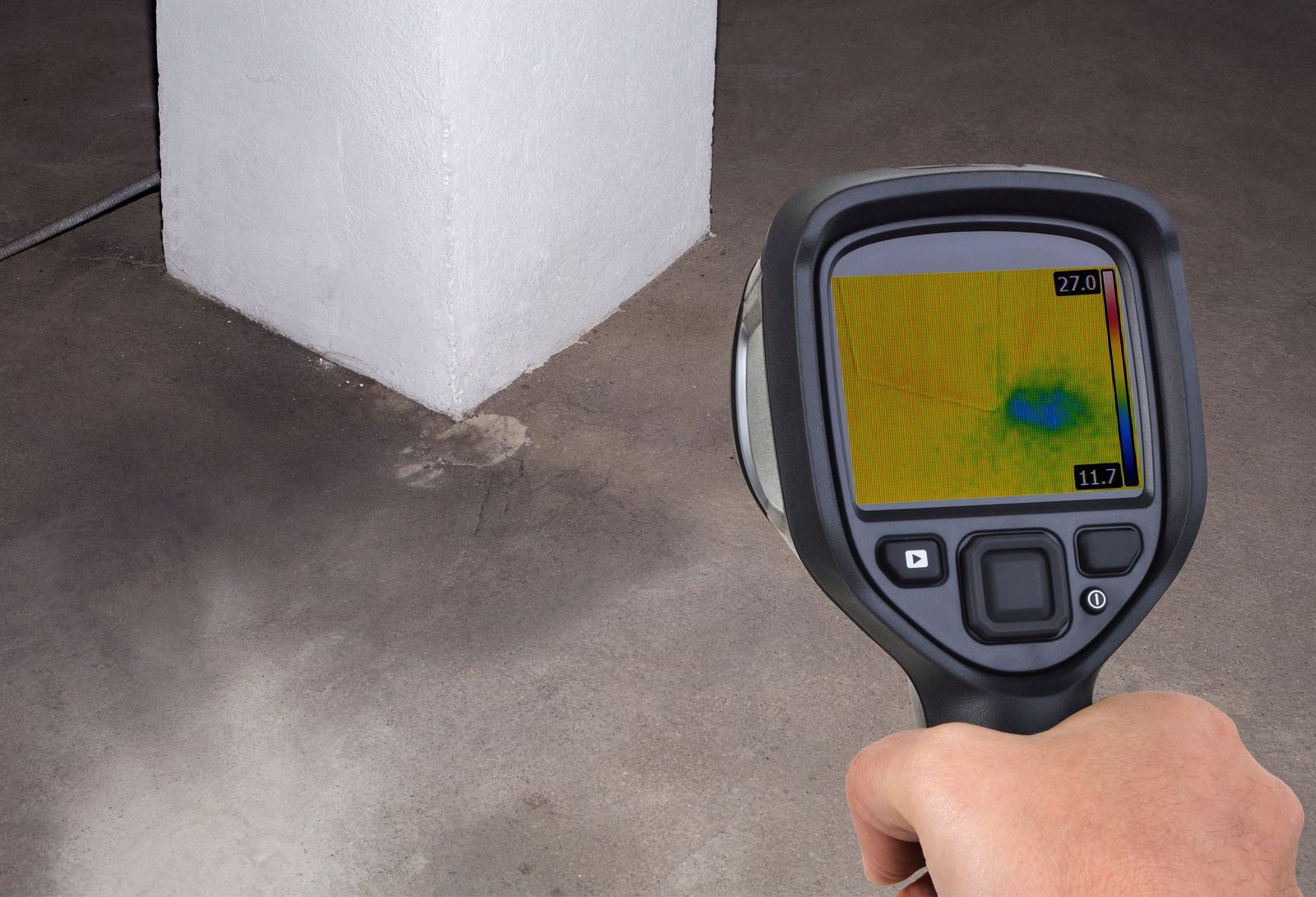
If a drain has clogged in the same location two or more times after being cleared, the next step isn't a bigger cable — it's a look inside the pipe. A video camera inspection feeds a waterproof camera on a flexible rod down the line and shows the interior in real time: where the buildup is thickest, whether a root mass has broken through a joint, whether the pipe has a belly or a crack, and how far from the cleanout or fixture the problem sits.
This matters because the fix is different depending on what's actually there. Heavy grease and scale coating a straight, structurally sound pipe calls for a thorough mechanical clean. A root intrusion at a joint calls for clearing the roots and addressing that joint so they don't return. A significant belly or a crushed section usually can't be fixed by cleaning at all — it needs a repair or a relined section of pipe. Skipping the camera and just re-snaking a recurring clog means guessing at which of those three situations you're actually dealing with, which is exactly how homeowners end up calling a plumber for the same drain three or four times in a year without ever solving the underlying issue.
Hydro Jetting: Breaking the Clog Cycle Instead of Managing It
Where snaking bores a hole, hydro jetting cleans the whole pipe. A jetting unit sends a hose down the line with a specialized nozzle on the end that sprays high-pressure water both forward and backward as it travels, scouring grease, scale, sludge, and root fragments off the entire interior wall rather than just punching through the center of a clog. Industry equipment specifications put standard residential and light commercial jetting pressure in the 3,500 to 4,000 PSI range, with the water volume — measured in gallons per minute — doing most of the actual work of flushing loosened debris completely out of the line rather than just breaking it apart in place. That combination is why a jetted pipe generally stays clear far longer than a snaked one: there's nothing left on the walls for the next batch of hair, grease, or food waste to catch on.
But jetting isn't the right call for every situation, which is another reason the camera inspection comes first. Pipe material and condition determine what pressure and nozzle setup are appropriate — an experienced operator adjusts nozzle type and how close the nozzle sits to older or already-compromised sections of pipe, because full-force jetting against a pipe that's already cracked or badly deteriorated can extend that damage rather than clean around it. That's a judgment call that depends on seeing the pipe on camera first, not applying one setting to every line.
Warning: Repeated use of caustic, store-bought drain cleaners on a drain that keeps clogging can make the underlying problem worse, not better. Those chemicals generate heat as they break down clogs, and in older cast iron or clay pipe that heat and corrosion can accelerate the very cracks and joint failures that let roots and debris in. If a drain has needed chemical treatment more than once, treat that as a sign to get the line inspected rather than a reason to buy a stronger bottle.
Frequently Asked Questions
How many times should I snake a drain before trying a different approach?
If the same drain clogs a second time within a few months of being snaked, that's usually the point to stop repeating the same fix. One clog can be a one-off — a foreign object, an isolated hair clog, a temporary blockage. A second occurrence in the same location is a pattern, and patterns point to buildup, root intrusion, or a pipe defect that a cable can't resolve on its own.
Can hydro jetting damage older pipes in a Mooresville or Davidson home?
It can, if it's used without first understanding the pipe's condition and material. That's why a camera inspection typically comes before jetting on any home with older clay, cast iron, or Orangeburg (bituminous fiber) pipe. Once the material and condition are known, an operator can select an appropriate pressure and nozzle to clean effectively without stressing a weakened section.
Is a recurring clog in the same drain always caused by tree roots?
No. Root intrusion is one common cause, particularly in mature, tree-lined neighborhoods around Lake Norman, but grease and mineral buildup, a bellied pipe from soil settlement, and a poorly sealed joint from a past remodel all produce the same symptom of a clog returning in the same spot. A camera inspection is what tells the two apart.
Does hard water in the Lake Norman area make recurring clogs worse?
Mineral-heavy water can contribute to scale buildup inside pipes over time, and that scale gives grease and debris a rougher surface to cling to, which speeds up how quickly a cleaned drain clogs again. It's rarely the sole cause of a recurring clog, but it's a factor worth mentioning to your plumber if your home is on a well or you notice mineral deposits around fixtures.
What's the difference between a slow drain and a recurring clog?
A slow drain empties gradually and consistently over time, which usually points to a gradual buildup issue throughout the line. A recurring clog fully blocks, gets cleared, and then blocks again in the same location within a relatively short window. Both can stem from similar causes, but a recurring full clog is more likely to involve a specific defect — a root, a belly, a bad joint — at one point in the pipe rather than general wear along its length.
How often should drain lines be jetted as preventative maintenance?
It depends on the home, the trees on the property, the age of the plumbing, and how the drains are used, so there's no single interval that fits every house. A camera inspection is the best way to establish a baseline for a specific home's pipes, and from there a maintenance schedule can be built around what that inspection actually shows.
Breaking the Recurring Clog Cycle for Good
A drain that keeps clogging in the same spot is rarely a mystery once someone looks inside the pipe. Snaking restores flow briefly, but grease coating the walls, roots working through an old joint, or a settled belly in the line will keep rebuilding the blockage no matter how many times a cable passes through. Understanding that difference changes how you think about the problem, shifting the focus from clearing the same clog to finding why it keeps forming there.
For homeowners around Lake Norman, the soil, the aging clay and cast iron lines, and the mature trees make these recurring problems more common than people expect. All Star Plumbing Inc.
has spent 38
years working on drains throughout Mooresville, NC, and that time has shown how often a stubborn clog traces back to one point in the line. When the cause is identified and corrected, the drain that needed constant attention usually becomes one you stop thinking about.