High Water Bill but No Visible Leak? How a Hidden Leak Gets Found
Quick Answer: Your water bill jumped and nothing on the floor is wet. That combination almost always means the leak is hiding somewhere you would not think to check: behind a wall, under the slab, along a buried irrigation line, or inside a toilet tank running quietly into the bowl. Start with the meter test. Shut off every fixture in the house, then watch the small leak indicator on your water meter. If it spins, or the digits keep climbing with nothing running, water is escaping somewhere on your side of the line. The shutoff valve at the house tells you whether that leak is inside the home or out in the yard, and from there a plumber narrows the exact spot with listening equipment instead of guesswork. Catch it early and a slow drip stays a slow drip instead of becoming a foundation problem.
Why the Bill Spikes Before You Ever See a Drop
A pipe under pressure does not leak in slow motion. Even a small crack or a worn fitting releases water nonstop, day and night, whether anyone is home or not. Over a full billing cycle, a leak that would look minor if you watched it for five minutes adds up to a huge number of gallons, because it never stops. A faucet drip you can see wastes a little water. A pressurized line leaking behind drywall or under a slab wastes it around the clock at a much higher rate, and you never get the visual cue that would tell you something is wrong.
So where does all that water go? Underground, it travels sideways through soil and gravel before it ever reaches the surface, especially in the dense clay common to this part of North Carolina. Behind a wall, it soaks into insulation and framing for a long stretch before it saturates enough drywall to leave a stain you'd notice. Under a slab, it usually has nowhere to go but sideways beneath the concrete. That is exactly why slab leaks can run for weeks with the only clue being the bill, and maybe a warm patch on the floor if you happen to walk across it barefoot.
The Test You Can Run Yourself First
You can confirm whether you actually have a leak in about fifteen minutes, on your own, before calling anyone. Turn off every fixture and appliance that uses water. Ice makers, dishwashers, washing machines, irrigation timers, all of it. Then find your water meter, usually near the street in a small in-ground box, or on some properties, closer to the house.
Most meters have a small leak indicator built in: a tiny triangle, star, or spinner dial that turns whenever water moves through the line. With everything off, that indicator should sit dead still. If it's spinning, even slowly, water is flowing somewhere on your property with nothing intentionally running. Some meters display a digital readout instead. Note the number, wait fifteen or twenty minutes without using any water, then check it again. Any increase confirms a leak.
That test tells you a leak exists. It does not tell you where. Figuring out where is worth bringing in a professional for, because guessing wrong means opening up drywall or digging up yard for nothing.
Narrowing It Down: Inside the House or Out in the Yard
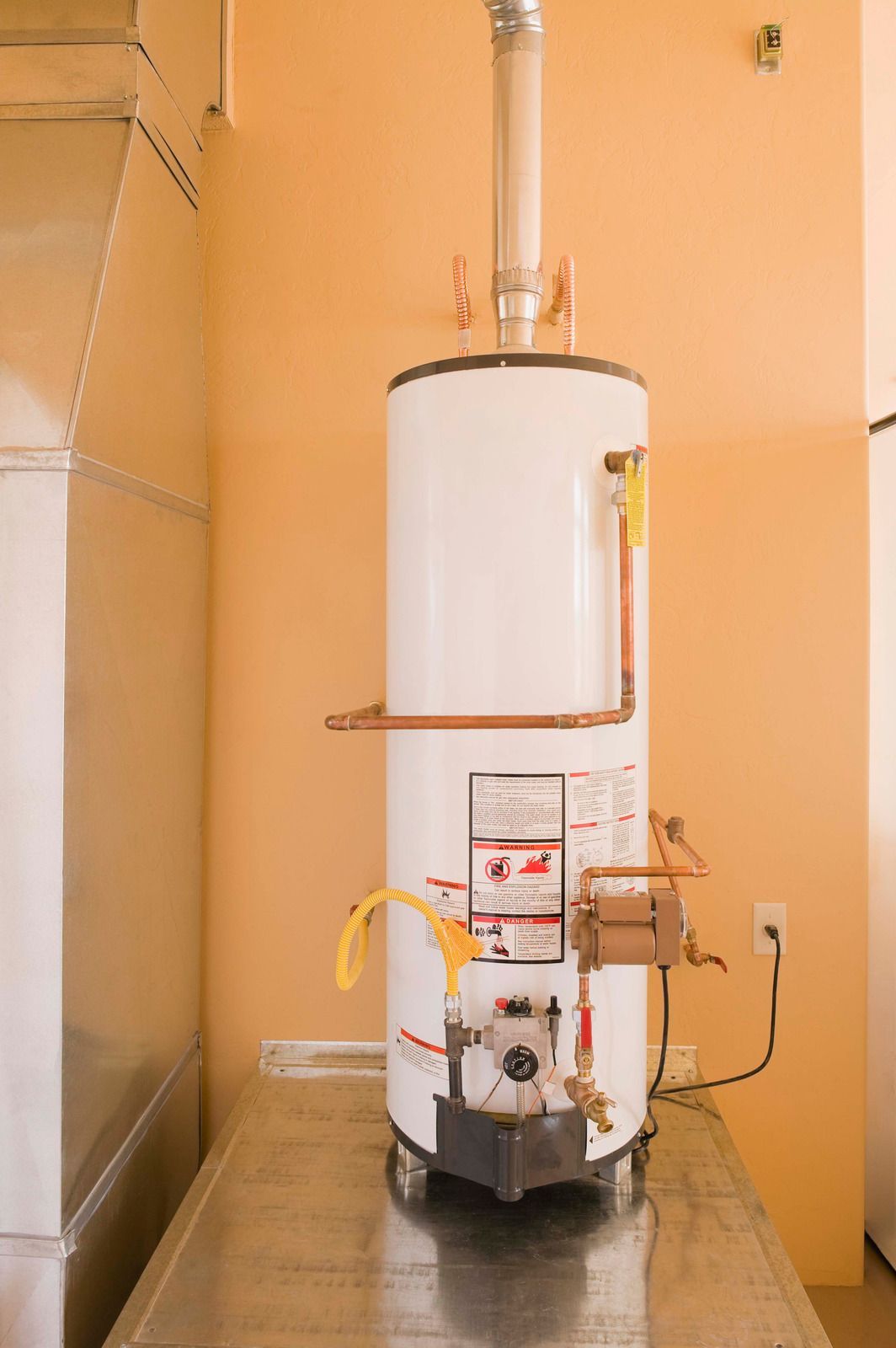
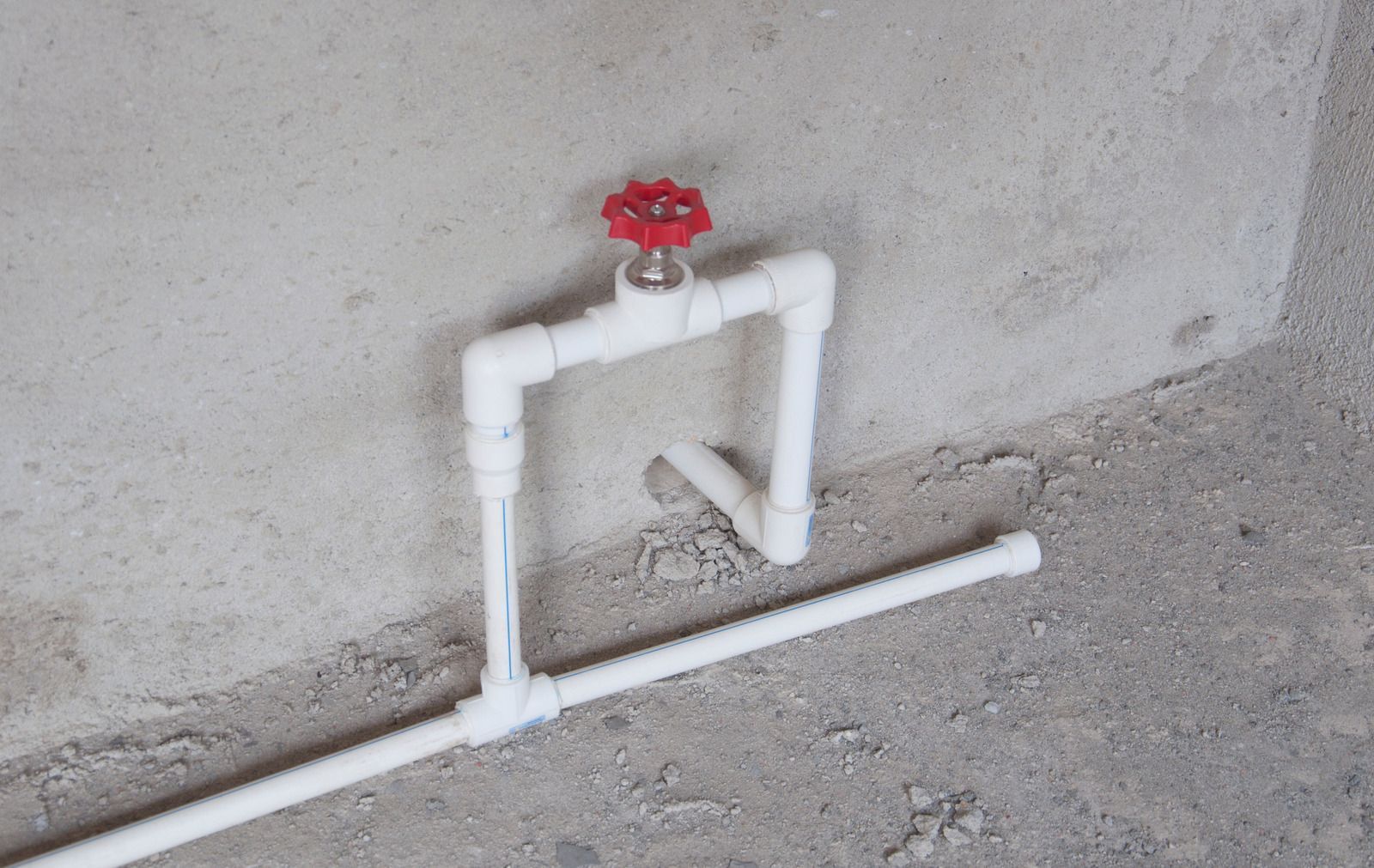
Once the meter confirms a leak, the next move is figuring out whether it's inside the home's plumbing or somewhere between the meter and the house, which often includes irrigation lines. Your home has a main shutoff valve, typically where the water line enters the house, in a basement, crawlspace, garage, or utility closet.
With the meter already confirmed spinning, close that main shutoff valve all the way. Then check the meter again. If the indicator stops once the house-side valve is shut, the leak is somewhere inside your home's plumbing: a supply line, a fitting, a toilet, a water heater connection. If the meter keeps spinning even with the house shut off, the leak sits between the meter and the house, and that very often means an irrigation system, since sprinkler lines run underground and typically tap into the water supply ahead of the main house shutoff.
That single step splits the entire property into two search areas. It saves a lot of wasted effort. A plumber who already knows which side of that valve the leak is on can skip half the property entirely.
How a Leak Actually Gets Pinpointed
Once you know which side of the shutoff valve the problem is on, finding the exact spot comes down to listening, not digging. Water moving through a pressurized pipe, even a small amount escaping through a crack, creates a distinct sound that travels through the pipe itself and the surrounding soil or structure.
Acoustic leak detection uses sensitive listening equipment: sometimes a ground microphone placed at intervals across a suspected area, sometimes an electronic listening disc pressed against exposed pipe, walls, or flooring, to pick up that sound and judge where it's loudest. For longer underground runs, correlators use two sensors placed at different points along the line and measure the tiny difference in when the leak sound reaches each one. From that timing gap, a technician can calculate the leak's location the way you'd triangulate a sound in a dark room.
For slab leaks specifically, thermal imaging can sometimes catch a temperature difference in the flooring where a hot water line is leaking beneath it, since the escaping hot water warms the concrete around it. Moisture meters confirm dampness levels in flooring or drywall to narrow the search further. None of this requires tearing out a wall or a section of yard on a hunch. The whole point of using this equipment first is to identify one small spot to open up instead of a wide guess, which keeps the disruption to your home or landscaping to a minimum.
Tip: If your meter test comes back positive but you can't immediately trace the source, note the time of day and check again later. Some leaks, particularly irrigation valves that partially stick, only leak during or right after a scheduled watering cycle, which can make the meter reading inconsistent depending on when you happen to check it.
Why This Shows Up So Often Around Lake Norman
A few local conditions make hidden leaks more common here than in a lot of other places. The red clay soil across Mooresville, Cornelius, Huntersville, and the surrounding lake communities expands and contracts hard with moisture and temperature swings, and that movement puts ongoing stress on buried pipe and slab foundations, sometimes cracking a fitting that was fine the year before. Many lake-area properties also carry larger lots with extensive irrigation systems keeping lawns green through the summer heat, which means more buried pipe and more valves that can fail somewhere along the run. And harder water across much of the area speeds up corrosion in older copper supply lines, a slow, steady contributor to pinhole leaks inside walls and crawlspaces over the years.
Warning: Do not assume a spike is a billing error before running the meter test. It's tempting to call the water utility first, but if there's an active leak on your property, every day it goes unaddressed means more water lost, and in the case of a slab or wall leak, more potential damage building underneath. Confirm the meter first. Then act.
What Comes Next Once the Source Is Found
Once a technician narrows the leak to a specific pipe and location, the fix depends entirely on where it is. A flapper gets replaced in minutes. An irrigation line gets exposed at the exact failure point and repaired without tearing up the whole yard. A leak inside an accessible wall or crawlspace gets that section of pipe repaired or replaced. A confirmed slab leak has more than one path forward depending on the pipe's condition and layout, and a plumber who specializes in leak detection will walk you through the options that fit your specific situation rather than a one-size-fits-all answer.
The whole point of the detective work is precision. The more accurately the leak gets located before anyone starts opening things up, the smaller the repair and the less disruption to your home or yard.
Frequently Asked Questions
How much of a bill increase actually points to a leak versus normal seasonal use?
Seasonal increases usually correspond with lawn watering, guests, or other noticeable changes. A sudden unexplained spike is more suspicious. Running a meter test with every water-using fixture turned off can confirm whether an active leak exists.
Can a leak be big enough to spike the bill but too small to hear?
Yes. A small pinhole leak or failing fitting can waste substantial water over several weeks without making noticeable noise. Acoustic leak detection equipment can identify sounds from escaping water that homeowners would not normally hear themselves.
Does a higher water bill always mean the leak is new, or could an old problem have just gotten worse?
Either situation is possible. A pipe or fitting may fail suddenly, while an older pinhole leak can gradually worsen through corrosion or ground movement until enough water escapes each month to noticeably increase the household water bill.
If the meter indicator is spinning slowly, is it still worth taking seriously?
Yes. A slowly moving indicator means water is still flowing somewhere when everything should be off. Even a small continuous leak can waste significant water and eventually cause moisture damage behind walls, flooring, or concrete slabs.
Is it possible the leak is on the utility side rather than my property?
It is possible, but first rule out fixtures and appliances on your property. If the meter remains completely still while everything is turned off, intermittent equipment or a billing issue may deserve further investigation with your utility.
Finding Hidden Leaks Before Damage Spreads Further
A high water bill without an obvious leak does not have to remain a mystery. The meter test can confirm whether water is escaping, while the main shutoff helps separate an indoor plumbing problem from a buried service or irrigation line. From there, acoustic equipment, moisture meters, and thermal imaging can narrow the search without unnecessary demolition. All Star Plumbing Inc. brings 38 years of experience serving Mooresville, NC, with practical knowledge of local plumbing systems and conditions.
Finding the source accurately matters just as much as repairing the damaged pipe. A toilet flapper, underground irrigation fitting, hidden wall connection, or slab line can waste water continuously while leaving few visible clues. Pinpointing the location first keeps repairs focused and reduces unnecessary disturbance to floors, walls, landscaping, or concrete. When an unexplained bill increase is traced methodically from the meter to the actual failure point, the situation becomes much easier to understand, manage, and resolve properly.