Professional Fixture Installation vs. DIY: What You Need to Know
What Counts as a Fixture Installation?
Defining the Scope
In plumbing, fixtures refer to any device that connects to your water supply or drainage system. This includes faucets, toilets, sinks, showers, bathtubs, water heaters, dishwashers, garbage disposals, and outdoor hose bibs.
Not all fixtures carry the same level of installation complexity. Replacing a bathroom faucet on an existing, properly functioning supply line is a different animal than installing a new utility sink in a basement that requires new rough-in plumbing. The fixture itself may be simple. What lies behind the wall or under the floor may not be.
Many homeowners underestimate this distinction. They purchase the fixture, watch a tutorial, and begin work without accounting for corroded shut-off valves, non-standard pipe sizes, inadequate water pressure, or drainage slope requirements. Each of these variables can turn a basic swap into a multi-day project.
Where DIY Works Well
Low-Risk, High-Reward Projects
There are legitimate DIY wins in fixture installation, and being honest about them matters. Replacing a toilet flapper, swapping a showerhead, or changing out a kitchen faucet on a home with modern, accessible plumbing are tasks that fall within reach for a reasonably handy homeowner.
These projects share common characteristics: the water supply can be shut off at an accessible valve, no new pipe work is required, the connections are standard sizes, and the work does not touch drain venting or structural components.
For tasks like these, DIY can save money and provide real satisfaction. The key is knowing your limits before you start, not after water is already spraying across the bathroom floor.
What You Need to Succeed
Even on simple DIY installations, preparation separates a clean job from a problem. You need the right tools, which means an adjustable wrench, plumber's tape, a bucket, and replacement supply lines at minimum. You need to know where your main shutoff is in case a valve fails. And you need to verify that the replacement fixture matches your existing rough-in dimensions before the old one comes out.
Where Professional Installation Is the Right Call
Complexity, Code, and Consequence
Some fixture installations are not DIY-appropriate regardless of your confidence level. Projects that involve moving drain lines, adding new supply connections, working with gas lines attached to water heaters, or touching electrical components near wet areas require licensed professionals. This is not a preference. In most municipalities, it is the law.
Permitted work that does not pass inspection can result in fines, forced demolition of completed work, and complications when you sell the property. Homeowners who skip permits to save money often spend far more correcting the problem later.
Real-World Scenarios Where Professionals Prevent Disaster
Consider a homeowner installing a new pedestal sink in a powder room. The fixture looks straightforward. But the drain connection requires modifying the P-trap, the supply lines do not reach, and the wall anchor points do not align with standard stud spacing. A professional plumber handles all three in a single visit. A DIY attempt on the same job, without the right knowledge, can result in a slow drain leak inside the wall cavity that goes undetected for months.
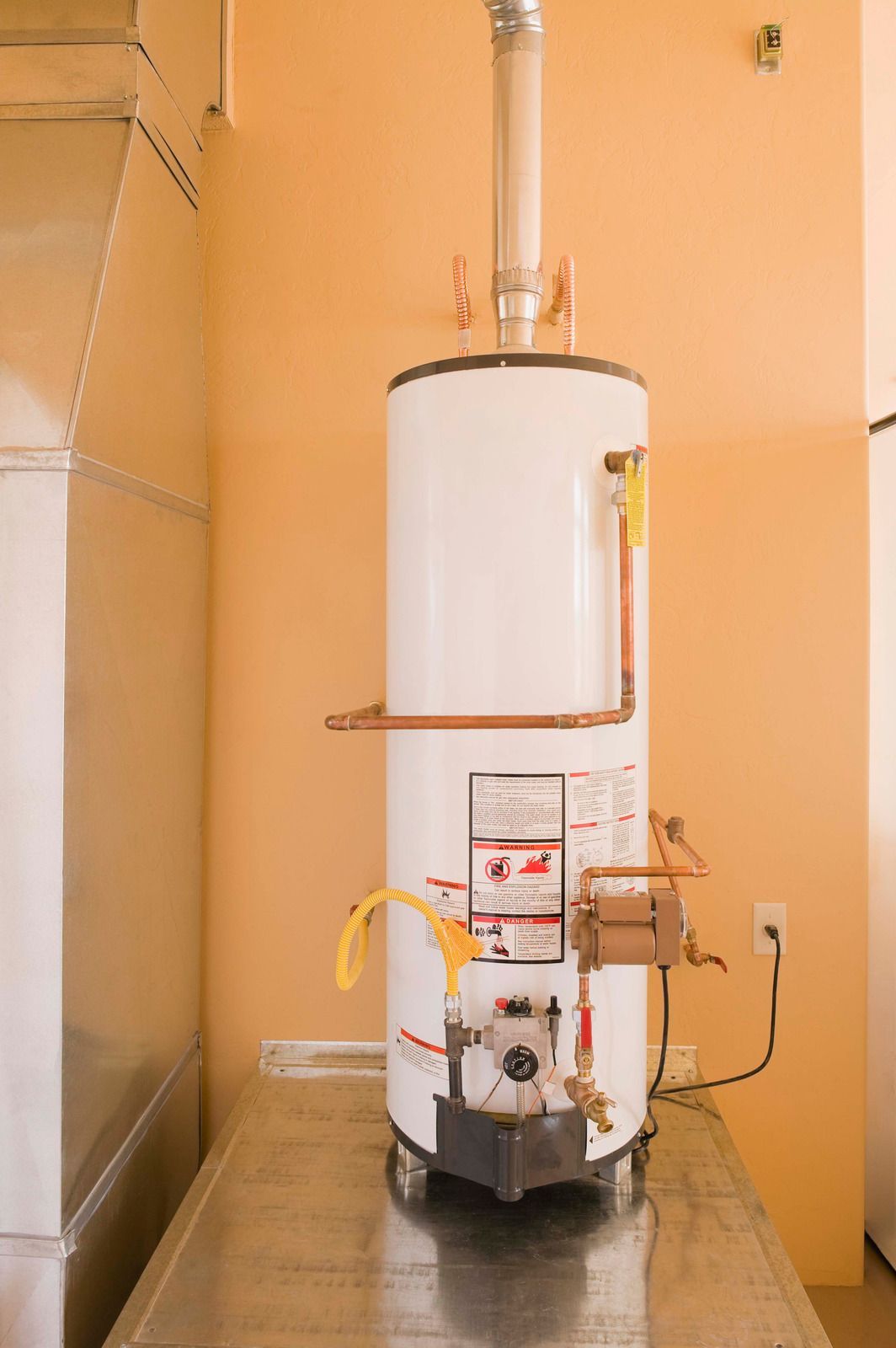
Or consider a water heater replacement. The unit itself may seem like a swap-and-go job. But water heaters involve gas connections or high-voltage electrical, temperature and pressure relief valve positioning, proper venting or condensate drainage depending on the unit type, and local permit requirements. An incorrect installation is a fire and carbon monoxide risk. This is precisely where professional hands are non-negotiable.
The Hidden Costs of Getting It Wrong
What DIY Mistakes Actually Cost
The financial argument for DIY is real but incomplete. Saving on labor upfront makes sense only when the installation is done right. When it goes wrong, the numbers shift quickly.
A slow leak from an improperly seated toilet wax ring can damage subfloor material over several months before it becomes visible. Replacing a water-damaged subfloor and the surrounding tile costs far more than the original professional installation would have. The same logic applies to fixture connections under sinks, behind walls, and inside cabinets.
Water damage insurance claims are also complicated when the source is traced to unpermitted work or improper installation by an unlicensed individual. Some policies include exclusions for these situations, leaving the homeowner to absorb the full cost of repairs.
Warranty Implications
Many fixture manufacturers include language in their warranty terms requiring professional installation for the warranty to remain valid. If you install a high-end faucet yourself and the internal valve fails within the warranty period, you may find the claim denied based on installation terms. Professional installation protects not just the work itself but the coverage you paid for when you bought the product.
How to Evaluate Any Fixture Project
A Practical Decision Framework
Before starting any fixture installation, ask yourself the following:
- Does this project require moving existing plumbing lines or adding new ones? If yes, hire a professional.
- Does it involve working near electrical components, gas lines, or inside wall cavities? If yes, hire a professional.
- Does the fixture manufacturer require professional installation to honor the warranty? Check the documentation first.
- Do local building codes require a permit for this type of work? A quick call to your local building department answers this in minutes.
- Is there an existing problem, such as a corroded valve, low pressure, or drainage issue, that needs to be addressed as part of the project? If the answer is yes, the scope has already expanded beyond a simple fixture swap.
If your answers are all clear of these concerns, you may be in reasonable DIY territory. If any of these flags come up, the project belongs in professional hands.
Choosing the Right Professional
What to Look For
When hiring a plumber for fixture installation, licensing and insurance are the baseline requirements. Beyond that, look for someone who asks questions about your existing system before quoting, pulls permits when required, and explains the scope of work clearly before starting.
Experience with your specific fixture type matters. A plumber experienced in residential fixture installation brings working knowledge of common complications, manufacturer-specific quirks, and code requirements that make the job cleaner and faster.
Get a written estimate that itemizes labor and materials. A transparent quote signals a professional who stands behind their work.
Trusted Plumbing Experts Mooresville Homeowners Rely On
Fixture installation decisions come down to honest self-assessment. DIY has its place for straightforward swaps with no underlying system issues. But when complexity enters the picture, whether through code requirements, hidden plumbing conditions, warranty terms, or safety concerns, professional installation is the choice that protects your home and your finances over the long run. The short-term savings from doing it yourself can disappear quickly when a small error turns into a larger repair. Knowing the difference between what you can handle and what requires a licensed professional is a skill in itself.
At All Star Plumbing Inc., we have spent 38 years serving homeowners and businesses across Mooresville, North Carolina, with the kind of plumbing expertise that only comes from decades of hands-on work in the field. We handle fixture installations of every kind, from straightforward faucet and toilet replacements to complex water heater installations and full bathroom plumbing work, all done to code and backed by our workmanship.
When you call us, you are not handing your home over to a stranger. You are working with a team that has seen virtually every plumbing situation a Mooresville home can present. We bring accurate diagnosis, proper permitting when required, and clean, lasting installation work that holds up over time. Our approach is straightforward: we tell you what the job involves, we do the work right the first time, and we stand behind the results. For fixture installation done with real professional care, All Star Plumbing Inc. is the name Mooresville homeowners have trusted for nearly four decades
Frequently Asked Questions
Can I install a toilet myself without a plumber?
A basic toilet replacement on an existing flange in good condition is a manageable DIY project for most homeowners. However, if the flange is damaged, the subfloor is soft, or the drain requires adjustment, a licensed plumber should handle the work.
Do I need a permit to replace a faucet or showerhead?
Simple fixture swaps that do not alter existing supply or drain lines typically do not require a permit. Any work that moves plumbing, adds new connections, or modifies venting usually does require a permit, and requirements vary by municipality.
What can go wrong with a DIY water heater installation?
Improper gas connections, incorrect venting, and inadequate temperature and pressure relief valve installation are the most serious risks. These issues can result in gas leaks, carbon monoxide exposure, or unit failure, all of which make professional installation essential for water heaters.
How do I know if my fixture installation voids the manufacturer warranty?
Check the warranty documentation that comes with the fixture. Many manufacturers, particularly for premium faucets and plumbing products, require installation by a licensed plumber. If the document specifies this, DIY installation voids the warranty regardless of how well the job is done.
What questions should I ask a plumber before hiring them for fixture installation?
Ask whether they are licensed and insured in your state, whether the project requires a permit, what the estimate includes, and whether they have experience with your specific fixture type. A straightforward and detailed answer to each of these signals a professional worth hiring.