Why Professional Pipe Installation Matters for Long-Term Reliability
The Foundation of a Reliable Plumbing System
Importance of Proper Planning and Design
Every dependable piping system begins with careful planning. Before installation starts, it is essential to evaluate the building layout, water demand, pressure requirements, and future expansion possibilities. Without a strategic design, pipes may be improperly routed, leading to inefficiencies or structural conflicts.
A professional approach ensures that every component is placed with purpose. This includes optimizing pipe lengths, minimizing sharp bends, and ensuring balanced water distribution. These details might seem minor, but they significantly impact system performance over time.
Accurate Pipe Sizing and Material Selection
Choosing the correct pipe size is critical to maintaining proper water pressure and flow. Undersized pipes can cause pressure drops, while oversized pipes may lead to unnecessary costs and reduced efficiency. Professionals rely on calculations and experience to determine the optimal dimensions for each application.
Material selection is equally important. Different environments require different materials, such as copper, PEX, or PVC. Each has unique properties related to durability, corrosion resistance, and flexibility. Selecting the wrong material can shorten the lifespan of the system and increase maintenance needs.
Real-World Impact
In many cases, improper planning leads to recurring issues such as inconsistent water pressure or frequent leaks. A well-designed system, on the other hand, operates quietly, efficiently, and reliably for decades, reducing long-term ownership costs.
Preventing Costly Repairs and Failures
Minimizing Leak Risks
Leaks are among the most common plumbing issues, and many originate from poor installation practices. Improperly sealed joints, incorrect fittings, or misaligned pipes create weak points that eventually fail.
Professional installation focuses on precision. Each connection is carefully secured, tested, and verified to withstand pressure fluctuations. This attention to detail significantly reduces the likelihood of leaks developing over time.
Avoiding Structural Damage
Water damage can compromise walls, floors, and foundations. Even a small, unnoticed leak can lead to mold growth, wood rot, and costly structural repairs. These issues often go undetected until significant damage has already occurred.
By ensuring proper installation from the beginning, we reduce the risk of hidden leaks and protect the structural integrity of the property. Preventative measures during installation are far more cost-effective than reactive repairs later.
Long-Term Cost Savings
While professional installation may involve a higher upfront cost, it delivers substantial savings in the long run. Fewer repairs, reduced water waste, and improved efficiency all contribute to lower overall expenses.
Property owners who invest in quality installation often avoid the cycle of repeated fixes that come with substandard work. Over time, this translates into both financial and operational stability.
Enhancing System Efficiency and Performance
Optimized Water Flow
Efficient water flow depends on proper pipe layout and sizing. Poor installation can create bottlenecks, reducing pressure and causing inconsistent performance across fixtures.
Professionally installed systems are designed to maintain steady pressure and balanced distribution. This ensures that showers, faucets, and appliances function as intended, even during peak usage.
Energy Efficiency Considerations
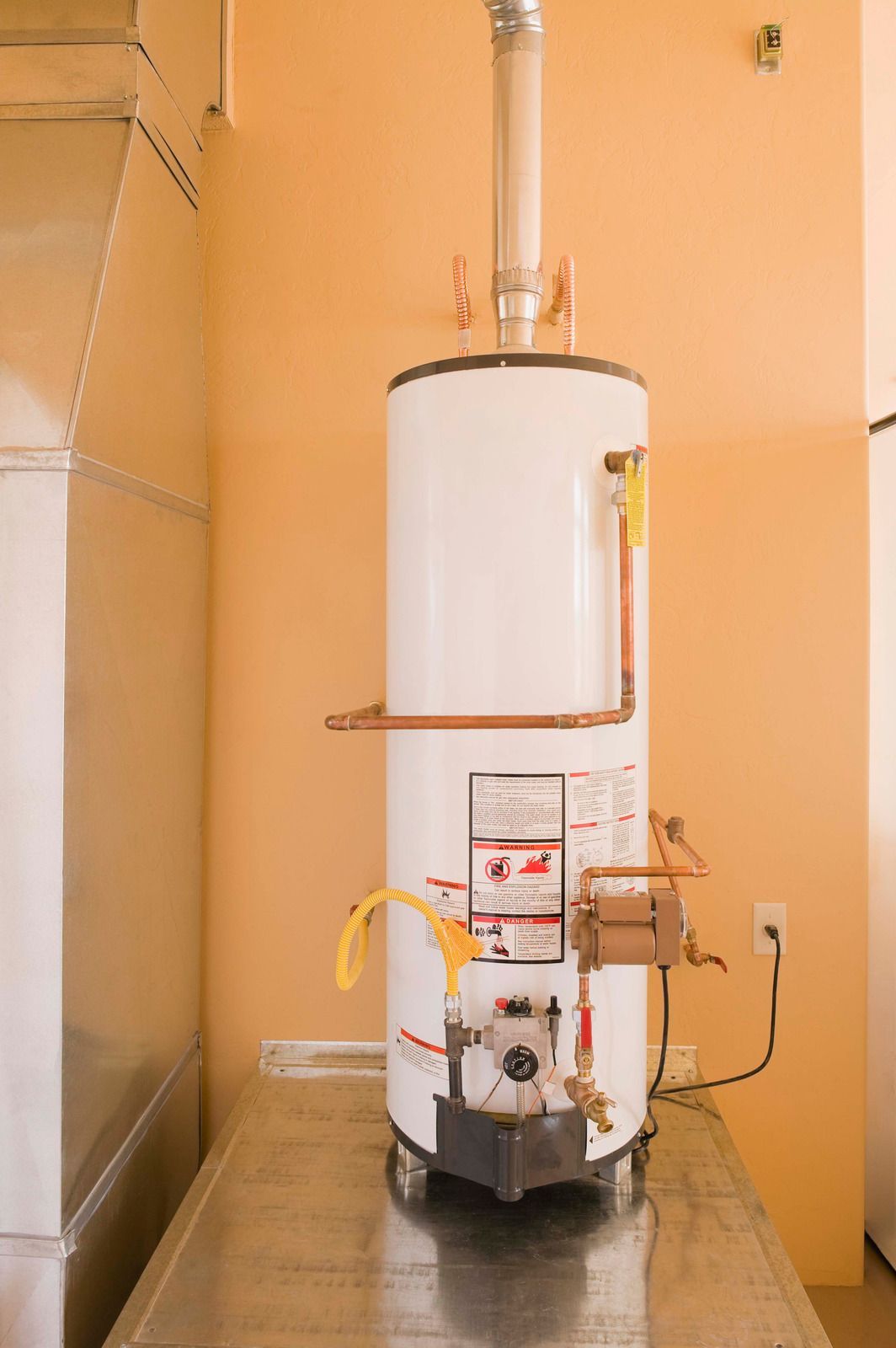
Hot water systems, in particular, benefit from efficient pipe installation. Poorly routed or uninsulated pipes can lead to heat loss, increasing energy consumption and utility costs.
By designing systems with efficiency in mind, we minimize energy waste and improve overall performance. This not only reduces costs but also supports environmentally responsible practices.
Consistent Performance Over Time
A well-installed system maintains its efficiency for years. In contrast, poorly installed pipes may degrade quickly, leading to declining performance and frequent adjustments.
Consistency is a key advantage of professional installation. It ensures that the system continues to meet demands without unexpected disruptions.
Compliance with Codes and Safety Standards
Understanding Building Codes
Plumbing systems must comply with local and national regulations designed to ensure safety and functionality. These codes cover everything from pipe materials to installation methods and pressure limits.
Professional installers stay up to date with these requirements, ensuring that every system meets or exceeds regulatory standards. Non-compliance can result in fines, failed inspections, and costly rework.
Ensuring Health and Safety
Improper pipe installation can lead to contamination risks, especially in potable water systems. Backflow, cross-connections, and poor drainage can compromise water quality and pose serious health hazards.
By following established safety protocols, we protect water quality and ensure that systems operate safely under all conditions. This is particularly important in residential settings where water is used for drinking and cooking.
Inspection and Approval Processes
Professionally installed systems are more likely to pass inspections without delays. This is crucial for new construction projects and renovations where timelines and approvals are tightly managed.
A compliant system not only avoids complications but also adds value to the property by demonstrating adherence to industry standards.
Longevity and Durability of Plumbing Systems
Reducing Wear and Tear
Pipes are subject to constant stress from water pressure, temperature changes, and environmental conditions. Poor installation can accelerate wear and lead to premature failure.
Proper alignment, secure fittings, and appropriate support structures all contribute to reducing strain on the system. These factors play a significant role in extending the lifespan of the pipes.
Resistance to Environmental Factors
Different environments present unique challenges, such as soil conditions, temperature fluctuations, and exposure to chemicals. Professional installation accounts for these variables, ensuring that materials and methods are suited to the specific conditions.
This proactive approach helps prevent corrosion, cracking, and other forms of damage that can shorten the life of the system.
Long-Term Reliability
Durability is a direct result of quality installation. A professionally installed system is built to last, providing reliable performance with minimal maintenance requirements.
This reliability is especially important for property owners who want to avoid disruptions and maintain consistent operations over time.
Best Practices for Professional Pipe Installation
Thorough Site Assessment
Every successful installation begins with a detailed assessment of the site. This includes evaluating existing infrastructure, identifying potential challenges, and planning for future needs.
A comprehensive assessment ensures that the installation process is efficient and free from unexpected complications.
Use of Advanced Tools and Techniques
Modern plumbing relies on advanced tools and technologies to achieve precision and efficiency. From pipe cutting and fitting to pressure testing, these tools enhance the quality of installation.
Using the right equipment ensures accuracy and reduces the risk of errors that could compromise the system.
Regular Testing and Quality Checks
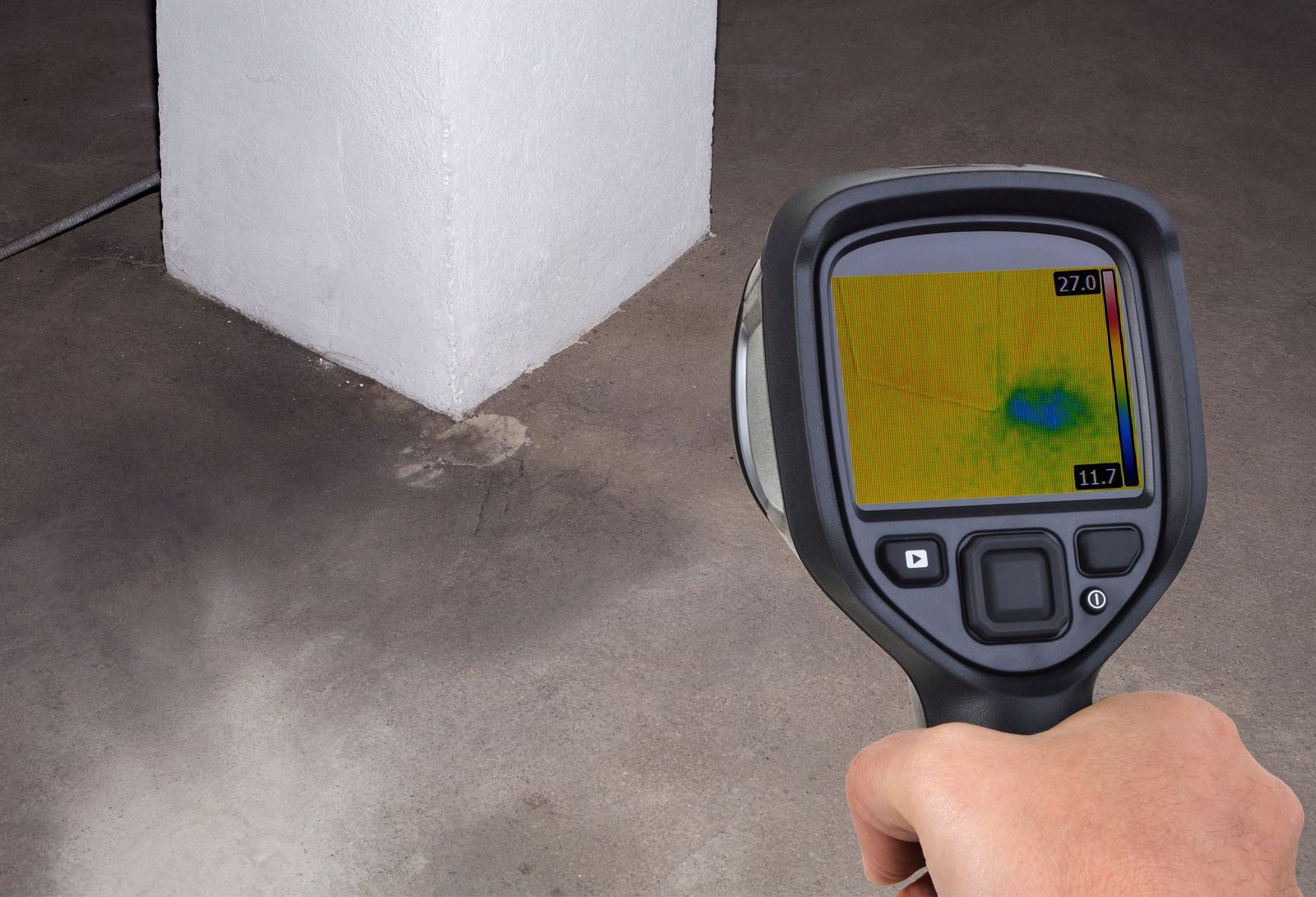
Testing is a critical step in the installation process. Pressure tests, leak detection, and system evaluations help identify any issues before the system becomes operational.
By conducting thorough quality checks, we ensure that the system meets performance expectations and operates reliably from day one.
Ongoing Maintenance Considerations
Professional installation also takes future maintenance into account. Accessible layouts and clear labeling make it easier to perform inspections and repairs when needed.
This forward-thinking approach simplifies maintenance and reduces downtime, contributing to long-term efficiency.
Trusted Experts Delivering Reliable Pipe Installation Solutions
Professional pipe installation is a crucial factor in ensuring the long-term reliability, efficiency, and safety of any plumbing system. From proper planning and material selection to precise execution and compliance with standards, every step plays a vital role in determining how well a system performs over time. Investing in expert installation minimizes risks, reduces maintenance costs, and enhances overall functionality, making it a smart and necessary decision for property owners.
At All Star Plumbing Inc.
in Mooresville, North Carolina, 38
years of hands-on experience have shaped a reputation built on reliability, precision, and trust. Our approach focuses on delivering high-quality pipe installation solutions designed for long-term performance and durability. Every project is handled with attention to detail, ensuring that systems operate efficiently and meet the highest industry standards. With decades of expertise, we understand the importance of doing the job right the first time, helping clients avoid costly issues and achieve lasting peace of mind.